What are ants attracted to? Most indoor ant activity begins with food, moisture, or a protected route into the house. Understanding what attracts ants can make it easier to find and correct the source of an infestation. Sugary spills, grease, crumbs, pet food, leaking pipes, condensation, damp wood, and gaps around doors or utility lines can all support foraging.
A clean home can still develop an ant problem. Most indoor ants come from outdoor colonies, while some species nest in wall voids or moisture-damaged wood. Long-term control depends on correcting the conditions supporting the colony rather than only removing visible workers.
Table of Contents
What Are Ants Attracted To Inside a Home?
Different species favor different foods, and their preferences may change during the season. Most household activity, however, can be traced to a few dependable resources.
Sugar, Grease, and Protein
Sweet residue is one of the most common ant attractants. Juice, syrup, honey, soda, fruit, baked goods, and crumbs can support an active trail. Ants may also forage around grease, meat residue, pet food, and other protein-rich materials. Some species favor sweets, while others respond more strongly to fatty or protein-based foods.
Sticky recycling, residue beneath an appliance, cabinet crumbs, or pet food left out overnight can keep workers returning.
Tip: Clean beneath toasters, coffee makers, pet bowls, and countertop containers. These overlooked areas often hold residue that surface cleaning misses.
Are Ants Attracted to Water?
Yes. Dripping faucets, leaking pipes, wet towels, condensation, pet water bowls, and damp areas near sinks or dishwashers can attract ants. Moisture is especially important to species that nest near warm pipes, wall voids, or water-damaged wood.
Carpenter ants are associated with moist or decayed wood, including areas near plumbing, roofing, attics, and dishwashers.
Shelter and Nesting Conditions
Wall voids, insulation, baseboards, and warm plumbing can provide shelter. Outdoor mulch, leaf litter, woodpiles, and vegetation may support colonies near the foundation.
Why Are There So Many Ants in My House Suddenly?
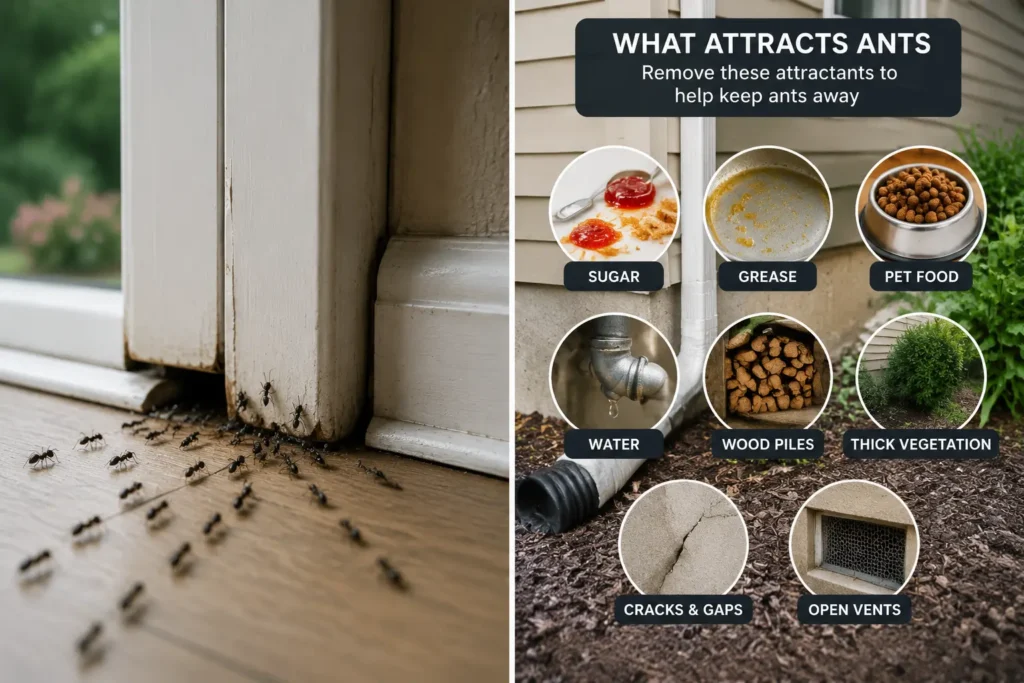
A sudden trail does not necessarily mean the colony appeared overnight. The nest may have been outside or hidden nearby long before workers became visible.
A Scout Found a Reliable Resource
Foraging ants use chemical trails to guide other workers between the colony and food or water. Once a scout locates a dependable source, recruitment can turn a few ants into a defined trail. Wiping away the workers may interrupt activity briefly, but the trail can return if the attractant and access point remain. The question “Where do ants come from?” can often be answered by tracing the trail in the opposite direction toward a wall gap, utility opening, or outdoor nesting area.
Weather Changed Their Activity
Changes in rain, temperature, and outdoor moisture can alter where ants forage or shelter. Indoor activity may rise after storms or other shifts in outdoor conditions, particularly when a nearby colony already has access to the structure. This often leads homeowners to ask, “Are ants attracted to water?” Yes. Ants need moisture, so damp conditions may support their activity. However, heavy rainfall can also disturb outdoor nests and push ants toward drier shelter inside the home.
Winged Ants Emerged
Winged reproductive ants emerge at certain times of year. Large numbers of winged ants indoors can indicate a nest inside the building, although one or two near an open door or window are less conclusive.
How Do Ants Get in Your House?
Ants use small structural openings and surfaces connecting outdoor nests to the home.
Cracks and Utility Openings
Foundation cracks, door thresholds, slab penetrations, and gaps around pipes, cables, windows, or HVAC lines provide common routes. Indoors, trails may continue beneath baseboards or behind cabinets before workers appear in an open room.
Branches, Shrubs, and Stored Wood
Branches and shrubs can act as bridges. Firewood, dead wood, heavy mulch, and leaves near the foundation may support nests.
Where Do Ants Come From?
Most indoor ants come from outside, but some nest within the structure. Following a trail may reveal an exterior opening, baseboard gap, or wall entry.
Odorous House Ants
Odorous house ants are small, brown to black ants with a noticeable odor when crushed. They prefer sweets and often nest near indoor moisture and warmth.
Pavement Ants
Pavement ants commonly nest under sidewalks, driveways, foundations, and concrete slabs. They may enter through cracks and feed on sweets, grease, and other household foods.
Carpenter Ants
Carpenter ants excavate wood for nesting space. A long-established colony can weaken structural material. Coarse sawdust-like debris, repeated large workers, or winged ants indoors may justify an inspection.
For help distinguishing winged ants from a more serious wood-destroying pest, read Flying Ants vs. Termites: How to Differentiate and Protect Your Home.
How to Make Your Home Less Attractive to Ants
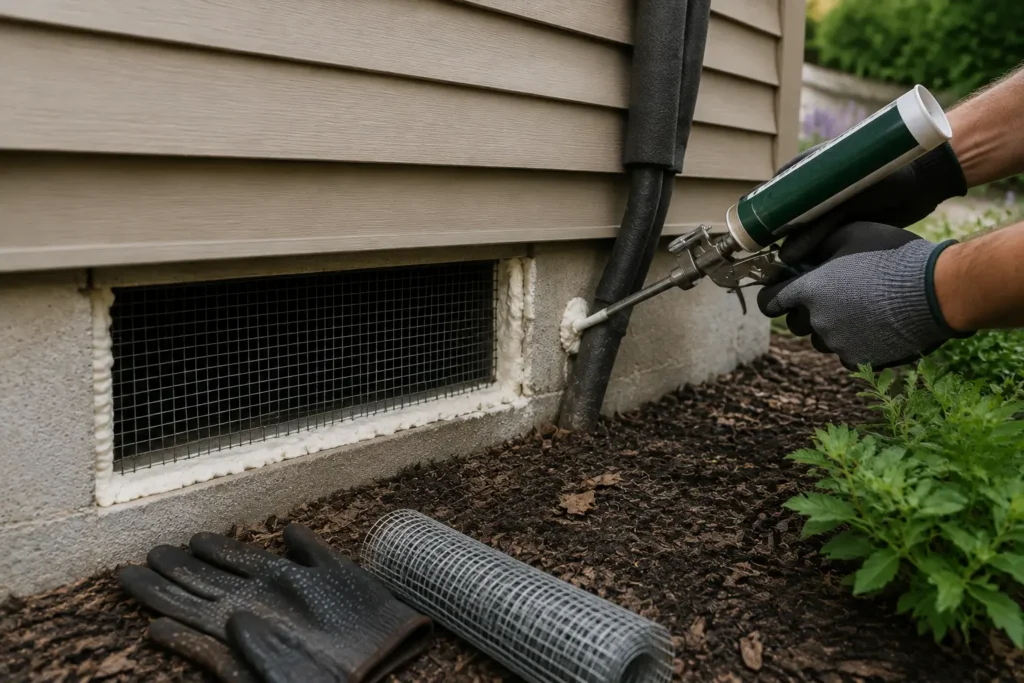
Ants usually enter homes while searching for dependable resources and suitable nesting conditions. Making the property less appealing requires a consistent, whole-home approach that interrupts foraging activity and reduces the chance of colonies establishing recurring indoor trails.
Remove Food Sources
Store pantry goods and pet food in sealed containers. Clean spills promptly, rinse recyclables, keep trash closed, and avoid leaving food or dirty dishes out overnight. Washing active trail surfaces with a household cleaner can also remove the chemical trail workers have been following.
Correct Moisture Problems
Repair leaking plumbing, dry wet cabinets, improve ventilation, clear clogged gutters, and replace moisture-damaged wood when necessary. Check for condensation near appliances, utility rooms, crawl spaces, and air-conditioning equipment.
Reduce Access and Outdoor Shelter
If you are wondering, “How do ants get in your house?” inspect these common entry points first. Seal openings around windows, doors, utility lines, and the foundation. Trim vegetation, move firewood away, and reduce thick mulch or debris beside the building.
What to Do When Ants Keep Coming Back
Finding ants all over the house, including on floors, counters, and walls, may indicate that more than one foraging trail is active. Visible workers are only one part of the colony. Treatment should account for the species, nesting location, food preference, and route of travel.
Use Baits Carefully
Slow-acting ant baits allow workers to carry the active ingredient back to the colony. Identifying what attracts ants in the affected area can help reveal whether other food sources are competing with the bait or moisture is helping sustain the activity. Bait acceptance also depends on the species and whether the product matches its current food preference. Remove competing food, address accessible water sources, place bait where activity is present, and follow the label directions.
Do not spray insecticide on or near a bait station. Fast-acting sprays can kill or repel workers before they carry bait back to the nest.
Be Cautious With Home Remedies
Peppermint, spices, vinegar, and similar remedies may temporarily disrupt a trail, but they do not reliably eliminate a colony. Household cleaners can remove trail residue, while a properly selected bait or targeted treatment is more useful for established activity.
Know When an Inspection Makes Sense
When there are ants all over the house despite repeated cleaning and exclusion, professional ant control may be appropriate, especially if trails occur in several rooms. Correct identification matters because a treatment that works for one species may be ineffective for another.
Key Takeaways
- Ants enter homes for food, moisture, shelter, and access to protected nesting areas.
- Sugary residue, grease, pet food, leaks, condensation, and damp wood can support activity.
- Chemical trails allow workers to recruit quickly after a scout finds a resource.
- Most indoor ants come from outdoor colonies, but some species can nest inside walls or wood.
- Cleaning, moisture control, exclusion, and species-appropriate baiting work together.
- Repeated trails, winged ants indoors, or carpenter ant signs warrant closer inspection.
Frequently Asked Questions
Why Are Ants Ignoring the Bait?
The bait may not match the species’ current food preference, may have dried out, or may be competing with other food nearby. Do not spray around it. Replace the bait according to the label and keep the surrounding area clean.
Can Ants Nest Inside Appliances or Electrical Areas?
Some ants use warm, protected voids around appliances, outlets, and utility equipment. Do not apply liquids or open electrical equipment to reach them. A professional may be needed when activity involves wiring or enclosed equipment.
What Do Winged Ants Inside Mean?
Several winged ants emerging indoors can indicate a mature colony inside the structure. Save a specimen or take a clear photo because flying ants can be confused with termites.
How Long Does Ant Bait Take to Work?
Baits are intentionally slow-acting so workers can share them within the colony. Activity may continue while ants collect the bait. Follow the label and allow time for the product to work rather than replacing it with a contact spray.
Can Ants Travel Between Apartments or Townhomes?
Yes. Shared walls, plumbing, utility pathways, and connected foundations can allow trails to extend between units. Report recurring activity to property management because treating one unit may not address the shared route or colony.
Final Thoughts on Long-Term Ant Control
Ant invasions usually continue because the colony still has access to food, water, shelter, or an untreated route into the home. Cleaning visible ants is useful, but lasting control requires attention to the conditions and colony behind the trail.
Homeowners wondering, “Why are there so many ants in my house?” may be dealing with multiple foraging trails, a nearby outdoor colony, or a nest hidden within the structure. When ants are returning after baiting or associated with damp wood and structural areas, identification becomes especially important. The species and nest location determine which treatment has the best chance of reaching the source.
Schedule Professional Ant Control
Terminix provides ant identification and targeted treatment for homes across Eastern North Carolina and Tidewater Virginia. A technician can inspect the property, identify contributing conditions, locate likely nesting areas, and recommend an ant-control plan based on the species and level of activity.
Learn more about Terminix ant control or contact Terminix to request service.
You can also call 1-800-284-7911 if ants continue returning despite cleanup, moisture correction, and sealing.