The bat blackout period is the summer maternity window when full bat exclusion is paused because baby bats cannot fly yet. In North Carolina, the restriction runs from May 1 through July 31. In Virginia, the 2026 maternity season runs from May 1 through August 15 under state nuisance-wildlife permitting conditions. If adult bats are sealed out too early, pups can be trapped inside the structure, which can lead to odor, decomposition, and legal problems. The right move during this period is inspection, planning, and interior protection, then full exclusion once the blackout ends.
Table of Contents
What Is the Bat Blackout Period?
The bat blackout period is the part of summer when bat exclusion stops because maternity colonies may be raising pups that cannot fly yet.
Why it exists
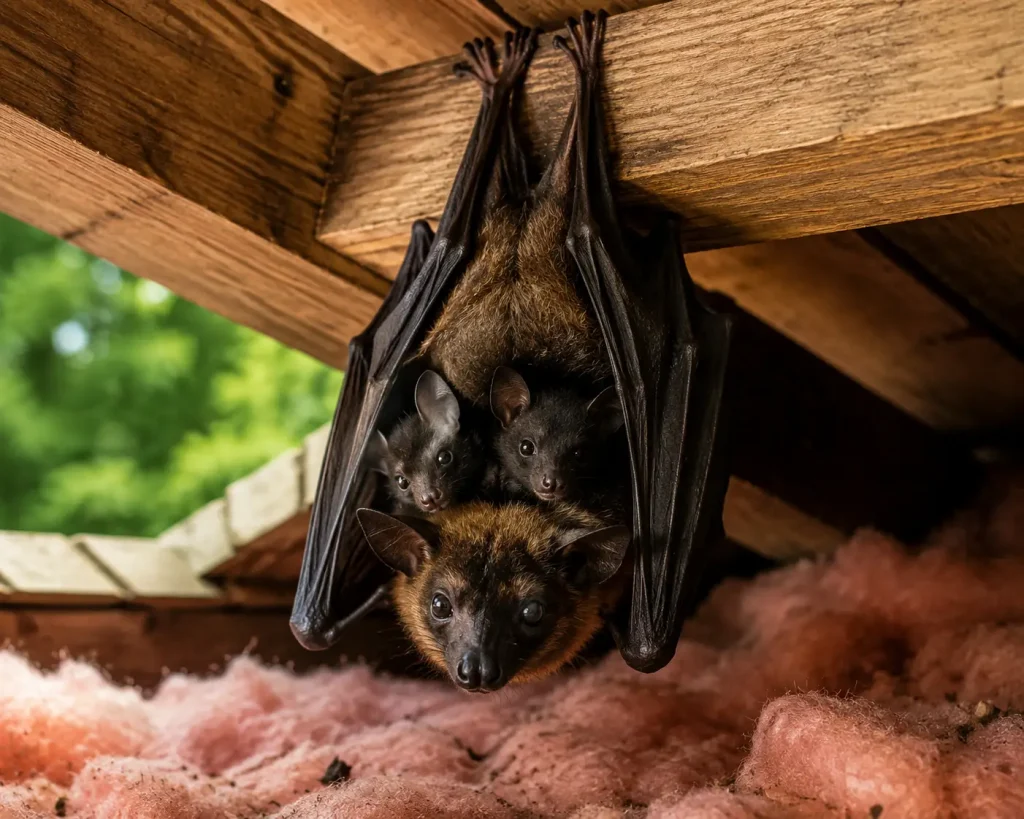
Female bats often use attics, soffits, and similar warm spaces as maternity roosts. Virginia DWR explains that females become pregnant in spring, give birth in early to mid-summer, and the young are non-volant (able to fly) until mid- to late summer. If adults are excluded too early, the pups can be left behind.
Bat Maternity Season Dates in North Carolina and Virginia
North Carolina dates
For homeowners looking up bat removal in North Carolina, the local bat eviction moratorium runs from May 1 through July 31. The North Carolina Wildlife Resources Commission says bat evictions and exclusions are prohibited during this time frame due to young bats being unable to fly and leave the roost.
Virginia dates
For Virginia, the maternity season runs from May 1 through August 15, inclusive, under the current conditions of the Virginia Department of Wildlife Resources’ Commercial Nuisance Animal Permit. Virginia DWR also cautions homeowners that from May through August, young may still be present in a roost and homeowners should wait to seal any openings until they confirm there are no pups remaining.
Why the Bat Exclusion Blackout Period Is Taken Seriously
Bats are under growing pressure from habitat loss and disease. The U.S. Fish and Wildlife Service says the northern long-eared bat faces extinction because of white-nose syndrome, which is an invasive, cold-loving fungal disease that has killed millions of hibernating bats. They are currently still listed as endangered under the Endangered Species Act. That broader conservation picture is one reason states treat maternity colonies carefully and restrict the timing of exclusions.
Pups cannot fly yet
This is the core reason the bat exclusion blackout period exists. During bat maternity season, adult females leave the roost to feed at night, but the pups remain behind until they are strong enough to fly. If exit points are sealed during that stage, the adults may be locked out while the young remain trapped in the attic or wall void.
The homeowner’s problems get worse, not better
This is where a rushed summer exclusion can create bigger headaches. Trapped pups can die inside the structure. That can lead to noticeable odor, decomposition, staining, and secondary insect activity. Instead of solving the bat problem, the work can turn into a cleanup problem layered on top of a wildlife problem.
What Homeowners Can Do During the Bat Control Blackout Period
Even if full exclusion has to wait, summer is still the right time to inspect. A professional can identify likely entry points, confirm whether activity is occurring in the attic rather than the living space, and help you prepare for legal exclusion once the blackout ends.
Protect the interior without sealing the colony in
During the bat control blackout period, the focus shifts from removal to management. That can mean limiting access to living areas, documenting entry routes, and reducing the chance that a stray bat ends up in a bedroom or hallway.
Do not try a DIY exclusion
This is one of those jobs where timing matters as much as technique. Sealing holes without understanding the season, the colony location, or the number of access points can quickly make the problem worse. If you are dealing with bats during summer, this is the time to plan, not guess.
During the bat control blackout period, homeowners can still take useful steps without sealing bats out too early:
- Schedule a professional inspection to confirm where bat activity is happening.
- Document where bats appear to enter or exit the structure.
- Keep attic access points, bedroom doors, and interior openings closed where possible.
- Avoid sealing exterior gaps, vents, or roofline openings until a professional confirms exclusion is allowed.
- Plan exclusion work now so it can be completed safely once the blackout window ends.
Tip: If a single bat gets into the living space, isolate the room, open an exterior window if it can be done safely, and avoid handling the bat bare-handed. If there has been direct contact with a person or pet, contact local health officials and a wildlife professional right away.
What Happens After the Bat Blackout Period Ends
Once the blackout lifts and the young can fly, the right solution is a full exclusion plan. That usually means confirming all main entry points, installing one-way exclusion devices where appropriate, allowing the colony to leave, and then sealing the structure so bats cannot get back in.
Early planning makes the process easier
Homeowners who wait until late summer to make the first call often end up competing for the same service window as everyone else. Planning during the blackout period puts you in a better position to move quickly once exclusion can legally begin.
After the blackout period ends, a professional exclusion plan may include:
- Rechecking the structure to confirm bats are not present and exclusion is appropriate.
- Identifying primary and secondary entry points.
- Installing one-way exclusion devices where needed.
- Allowing the colony to exit safely before permanent sealing begins.
- Sealing gaps, vents, or roofline openings so bats cannot re-enter.
For more on seasonal wildlife activity around the home, see our guide to humane wildlife control strategies.
Key Takeaways
- The bat blackout period is the summer maternity window when full exclusion pauses because pups cannot fly yet.
- In North Carolina, the blackout runs from May 1 through July 31.
- In Virginia, the maternity season runs from May 1 through August 15 under current state permit conditions.
- Excluding bats too early can trap pups inside and lead to odor, decomposition, and additional pest problems.
- Summer is still the right time for inspection, planning, and interior protection.
- Full exclusion should wait until the blackout ends, and can be done legally and effectively.
Conclusion
The bat blackout period is not a service delay for the sake of delay. It exists because summer bat colonies often include young that cannot yet survive exclusion. That makes timing a key factor in doing the job correctly.
If you’re hearing scratching overhead or seeing bats around the roofline this summer, the smart move is to get the situation inspected now and make a plan before the season changes. Terminix can help you assess the activity, protect the interior, and prepare for safe, legal exclusion when the blackout window ends.
FAQs
Can Terminix still inspect my home during the bat blackout period?
Yes. Even when full exclusion has to wait, an inspection can help identify where bats are entering, whether activity is limited to the attic or has reached living areas, and what needs to happen once exclusion is allowed.
What should I do if a bat gets into a bedroom or living space?
Close interior doors to isolate the room, avoid handling the bat, and contact a professional. If a person or pet may have had direct contact with the bat, contact local health officials for guidance.
Can I seal a hole if I think bats are getting into my attic?
Do not seal exterior entry points during the blackout period without professional guidance. If pups are inside and unable to fly, sealing the opening can trap them in the structure and create odor, decomposition, and cleanup issues.
Will bats leave on their own after maternity season?
Some bats may leave, but established colonies often return to the same roosting areas if entry points remain open. A professional exclusion plan helps remove the colony safely and seal the structure against re-entry during the following breeding season.
Why schedule now if exclusion cannot happen until later?
Scheduling early helps confirm the problem, document entry points, and prepare the home for legal exclusion once the blackout period ends. It also helps avoid the late-summer rush when many homeowners try to schedule bat work at the same time.